Culture
What Is a Bon Dance? A Visitor's Guide to Obon in Hawaii
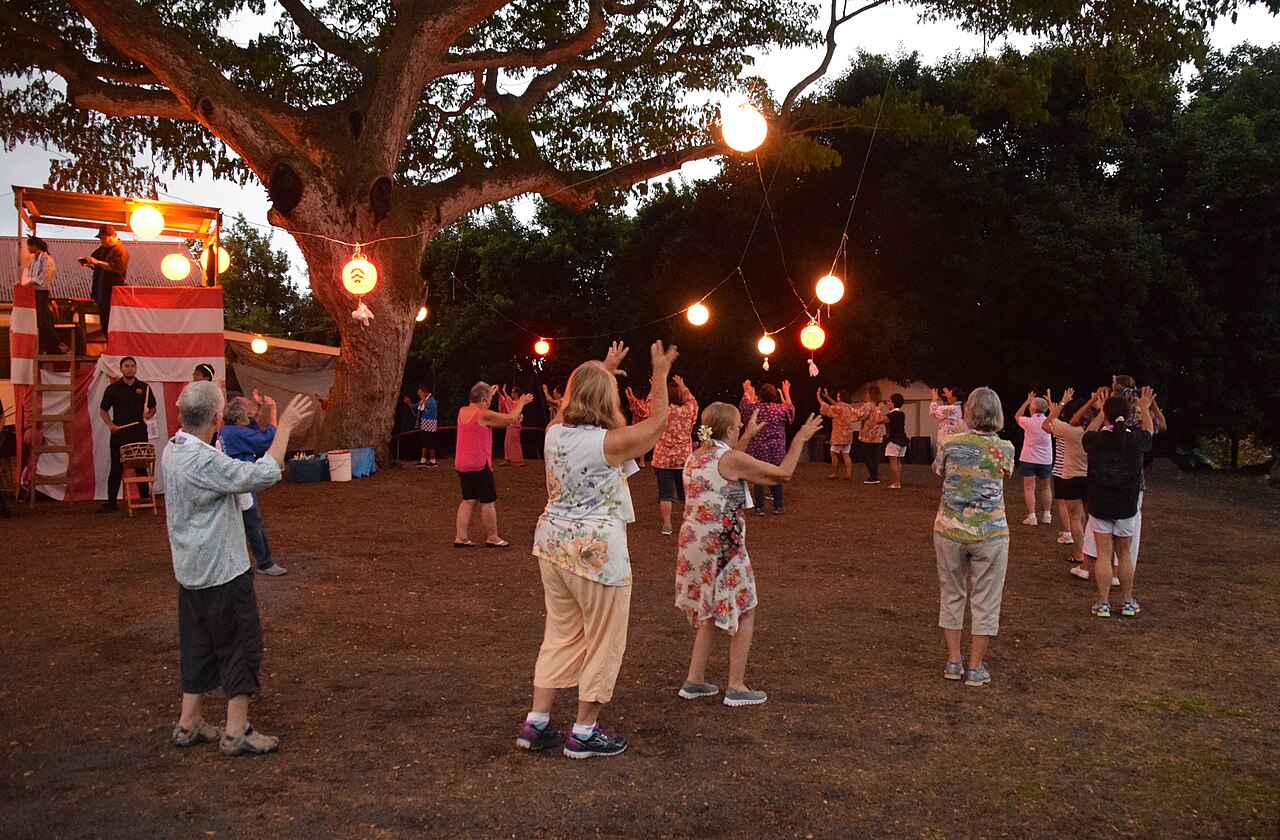
New to bon dances in Hawaii? Here's what obon is, how the dance works, what the yagura and taiko are, and why everyone is welcome to join in.
Photo: Yoshi Canopus · CC BY-SA 4.0
History
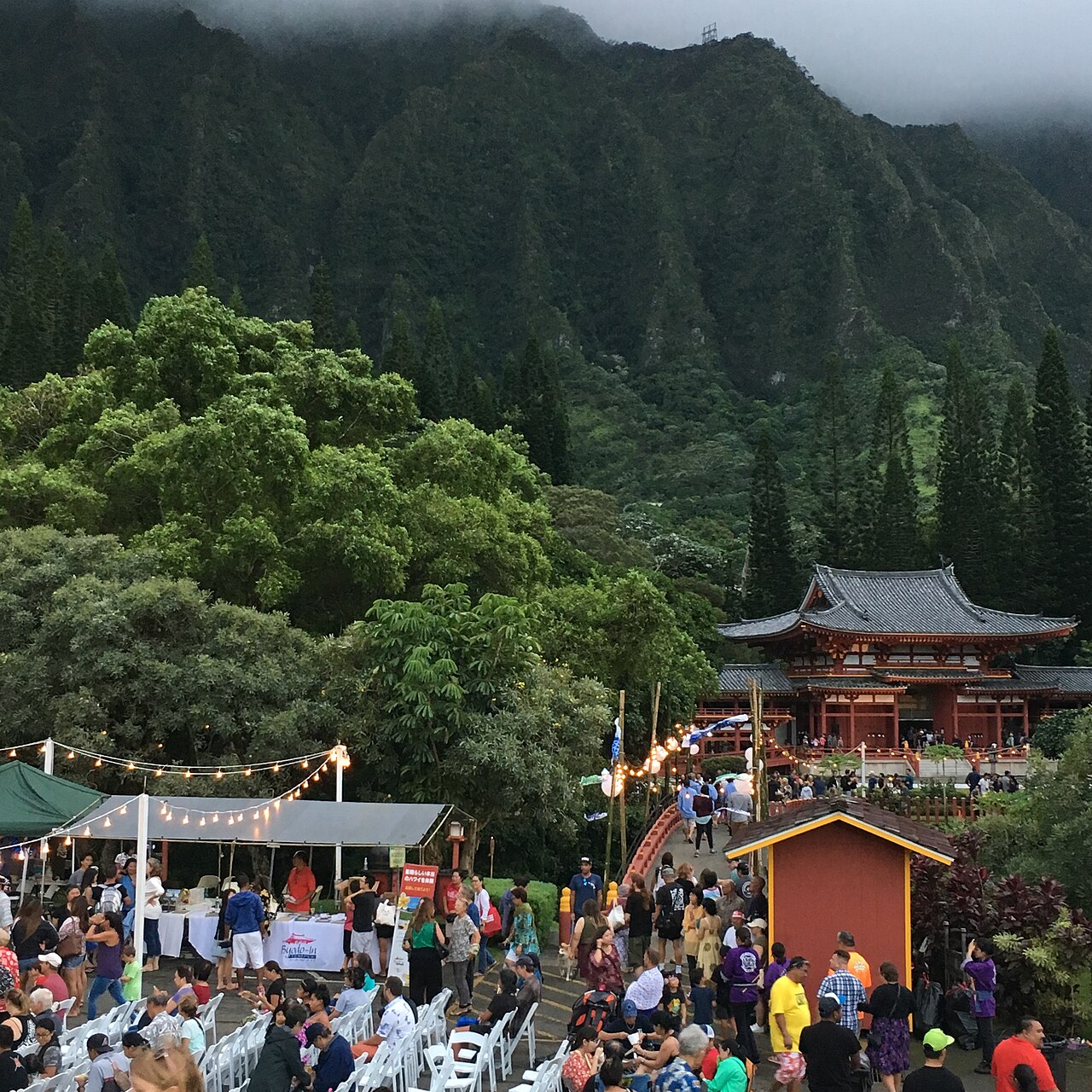
How obon traveled from Japan to Hawaii's sugar plantations in the 1800s and grew into a months-long, multi-ethnic Island tradition still going strong today.
Hawaii's bon dances didn't appear overnight. They arrived with Japanese immigrants more than a century ago, took root in plantation towns, and slowly grew into something distinctly local. Today they're among the oldest celebrations of their kind in the United States.
Here's how obon came to the Islands and became a fixture of Hawaii summers.
Large-scale Japanese immigration to Hawaii began in 1885, when a wave of immigrants arrived to work the sugar plantations. They came from many regions of Japan and Okinawa, and they brought their faith and traditions with them — including obon, the Buddhist observance for honoring ancestors.
The first recorded bon dance in what would become the United States is traced to that same era, at a plantation on Hawaiʻi Island. For workers far from home and family graves, obon was a way to stay connected to ancestors and to one another. It quickly became one of the anchors of plantation-camp life.
As the immigrant population grew, Buddhist temples followed. Several Japanese Buddhist traditions established missions across the Islands, and many remain active today:
These temples became the heart of their communities — places of worship, but also schools, gathering halls, and the hosts of obon each summer. The bon dance grew up around them, and to this day it's the temples that organize and host the dances.
In Japan, obon is a short observance lasting about three days. In Hawaii, something different happened: the season stretched out across the entire summer.
With so many temples wanting to hold a bon dance, they coordinated their dates so the events wouldn't all land on the same weekend. The result is a calendar that runs from roughly June through August, sometimes into September, with a different bon dance somewhere nearly every weekend. You can see that rhythm yourself on the full 2026 schedule.
Other local touches crept in along the way. Hawaii bon dances developed their own beloved foods — Okinawan andagi chief among them — and their own song lists, mixing traditional numbers with modern crowd-pleasers. (We cover both in what to eat at a bon dance and the first-timer's guide to the dance circle.)
What started in plantation camps has become something bigger than any one community. Over generations, Hawaii's bon dances opened up into genuinely multi-ethnic gatherings. Families of every background turn out to eat, dance, and remember together, and visitors are welcomed right into the circle.
The tradition has now endured in Hawaii for more than 140 years — long enough to make these among the oldest continuously held celebrations of their kind in the country. They survived the plantation era, the upheavals of the twentieth century, and the steady shrinking of temple congregations, and they're still going.
That endurance is the real story. Every summer the lanterns go back up, the taiko starts, and the circles fill again — a living link between Hawaii today and the immigrants who carried obon across the Pacific.
The dances also carry forward names and places from the old country. Songs like Iwakuni Ondo trace back to specific regions immigrants came from, and the steps of Tankō Bushi still act out the work of long-gone coal miners. Dance by dance, a bon dance is a kind of memory kept in motion — which is fitting for a tradition built around remembering those who came before.
In recent years some communities have even written new songs to mark their own history, weaving present-day Hawaii into a centuries-old form. That willingness to keep adding to the tradition, rather than freeze it in place, is a big part of why obon still feels vital here.
The best way to understand this history is to stand in it. If you're new to bon dances, start with what is a bon dance, then read the etiquette and what-to-wear guide before you go.
When you're ready, browse every 2026 bon dance, check the bon dance guide, or find one near you: Oʻahu, Maui, Big Island, or Kauaʻi.
Culture
New to bon dances in Hawaii? Here's what obon is, how the dance works, what the yagura and taiko are, and why everyone is welcome to join in.
Photo: Yoshi Canopus · CC BY-SA 4.0
Guides
What to wear to a Hawaii bon dance, when it's okay to join the circle, photography courtesy, and the small respectful touches that make you a good guest.
Photo: Daniel Ramirez · CC BY-SA 4.0
Food
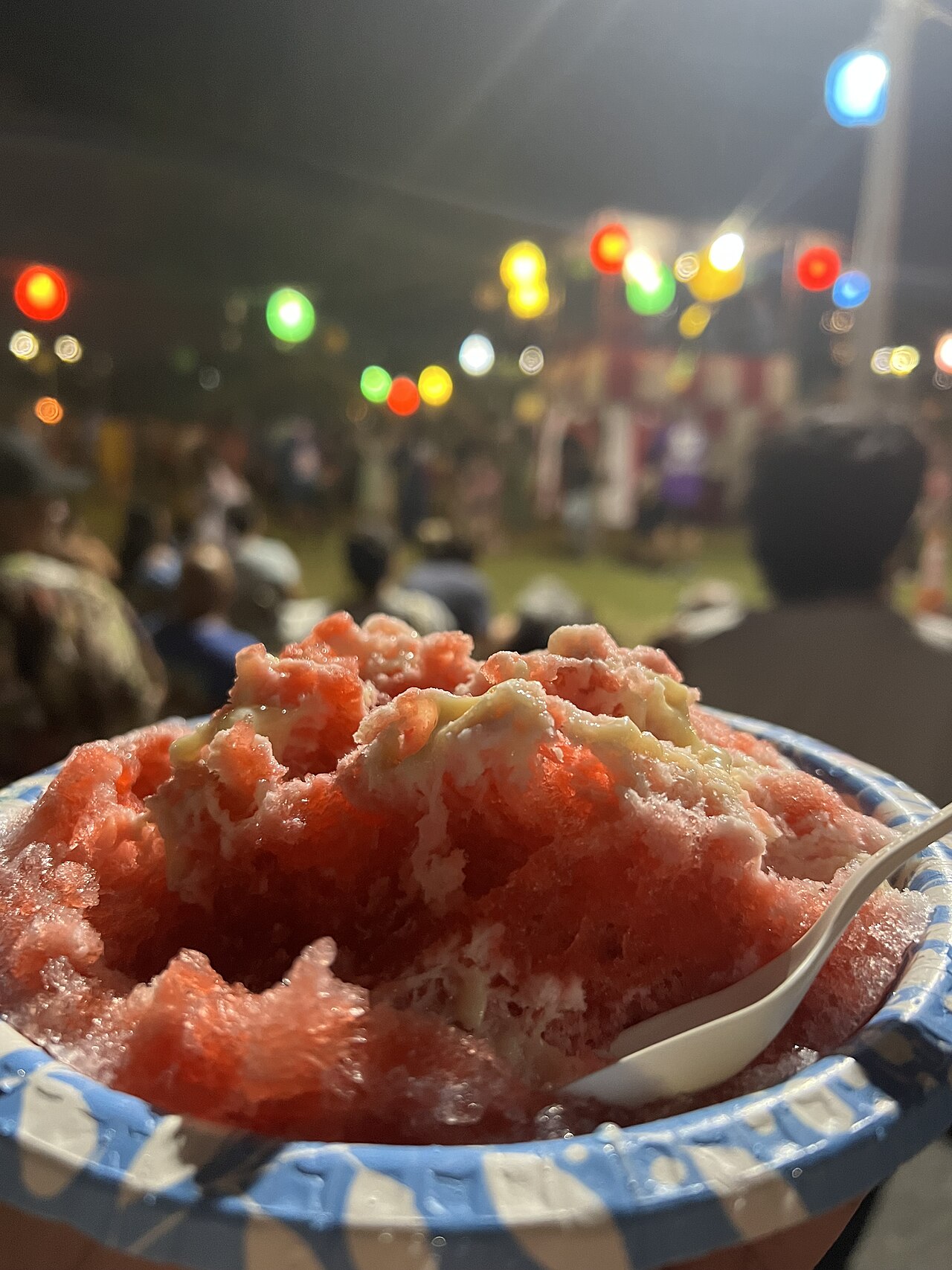
A field guide to Hawaii bon dance food booths — andagi, the andadog, plate lunches, saimin, teri chicken, shave ice and more. Bring cash and an appetite.
Photo: Yoshi Canopus · CC BY-SA 4.0
Nothing to show here.